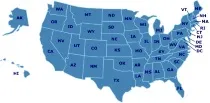
If socializing is a problem for homeschool families, it is rare. The homeschool socialization myth is a misconception perpetrated by people who know little or nothing of the benefits or facts. Some parents believed they would be breaking the law by not sending their children to public school. Unfortunately, there are movements in some states to pass such laws. But as of yet, it is still lawful to homeschool. Most states require documentation, which is reasonable. Other states are lax. Homeschooling as a movement is growing, and that is a very good thing. According to NHERI, the higher quality of homeschooling is not affected at all by whether or not the parent is a certified teacher, or by any state regulations.
Each family comes with its own dynamic – a beautifully complicated medley of philosophies and needs involving a family’s heritage or culture, parenting style, financial stability, spiritual or religious preference, communication, and of course, educational goals and background. It may not be the right choice for a family to homeschool. These reasons not to homeschool can give you some food for thought.
A binder system for the Christian mother. Covers all the facets of homemaking including grocery lists, errands, goals, correspondence, and more. Provides for planning home maintenance, meals, bible study, and medical checkups. Includes a special section for homeschooling planning.
Provides information on character training, curriculum choices, advices, articles, and encouragement to any parent who is homeschooling one or more boys.
Each family who decides to homeschool is responsible to know the homeschool law. The law is not difficult, but if you don't follow it, your child could be considered truant and you would be in violation of the compulsory attendance law. OCEANetwork believes that the parent, not government, has the responsibility to educate children. They provide this summary of the laws regulating home education in Oregon to assist homeschooling families.